
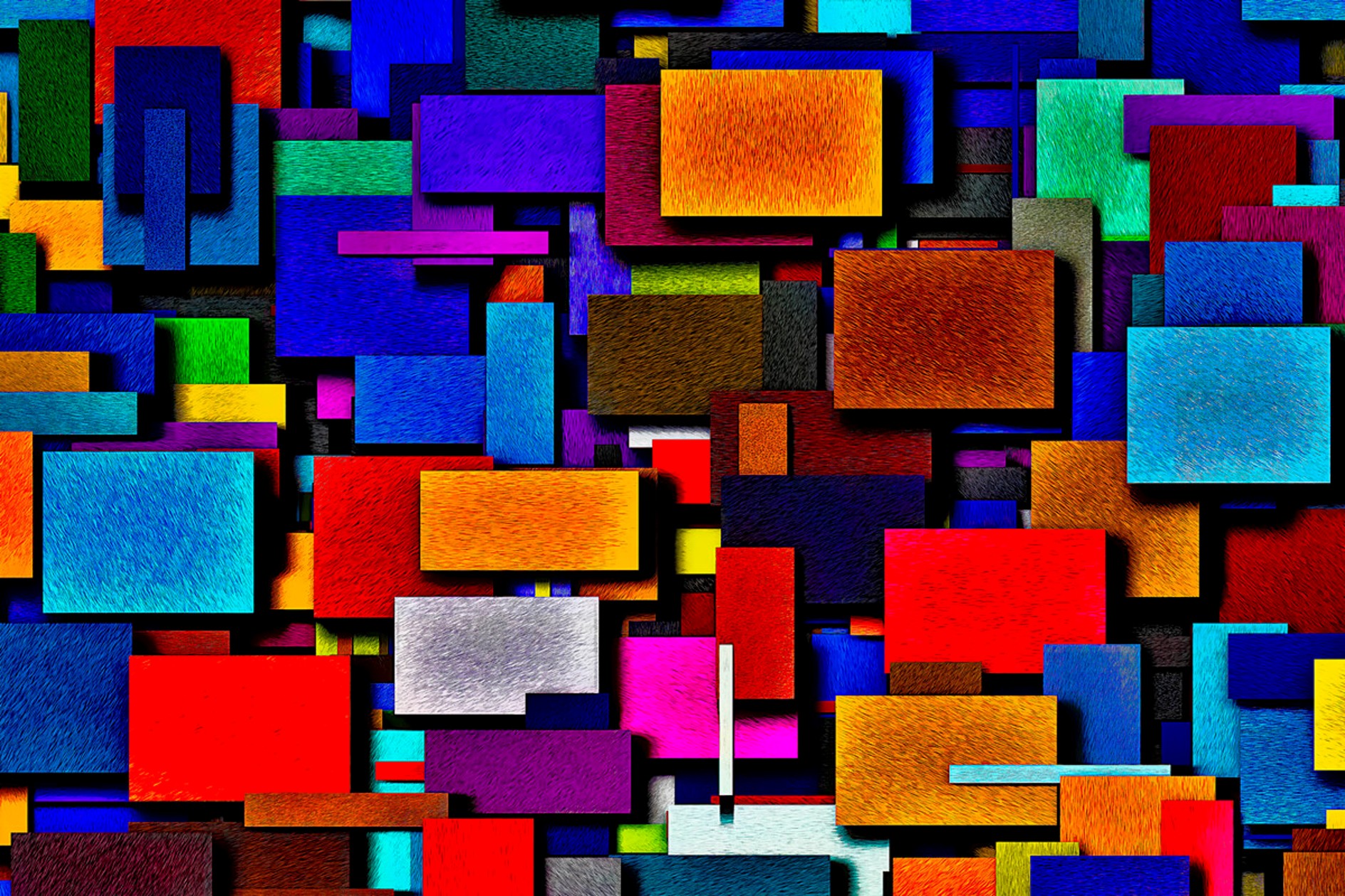
Choosing art for your home starts with what catches your eye. You might love bold colors, unusual shapes, or patterns that make you stop and look again. Abstract photography art prints bring these elements together in creative ways. To find the right piece, consider its design, print material, size, and the space where you plan to display it.
What Makes Abstract Photography Art Prints Different?
A traditional photograph often shows a clear subject, such as a person, building, or landscape. Abstract photography draws attention to the visual elements within an image, including shapes, lines, color, and balance.
Howard Harris combines photography, design, and technology to explore how people see and experience images. His work considers the influence of light, color, movement, and space.
When choosing abstract art, look at the image itself. Notice which parts catch your attention and how the different elements work together.
Choose Artwork That Fits Your Visual Preferences
Your personal taste is a good place to start. Some abstract images have clear patterns and balanced shapes. Others use more complex arrangements that invite you to look closer.
As you browse abstract photography art prints, consider what you enjoy seeing each day.
You can begin with these questions:
- Do I prefer strong shapes, flowing lines, or balanced patterns?
- Which colors work well with my room?
- Does the image keep my attention when I look at it again?
The Abstractions collection includes works such as 269 Columbine Dance, 57 Mind Storm, and 242 Skylight. Compare the images and choose the one that feels right for you.
Consider Color, Light, Movement, and Space
Color can stand out against a wall or connect with the shades already in your room. Light can also change how you see an artwork, especially when its surface has more than one visual plane.
Howard Harris explores four influences on visual perception:
- Light: How illumination affects the way an image appears.
- Color: How shades interact within the composition.
- Movement: How lines and shapes guide your eyes.
- Space: How the elements sit together within the image.
Keep these ideas in mind when comparing abstract photography art prints. Notice how each composition looks from across the room and when you move closer.
Explore Different Abstract Photography Styles
Abstract art can take many forms. One piece might focus on shapes and color, while another uses a grid as part of its design.
For example, 242 Skylight features a grid overlay. 269 Columbine Dance and 57 Mind Storm are presented without one. These differences give you useful points of comparison when exploring the collection.
Take time to look at several works. Focus on the image, its composition, and the presentation you prefer rather than choosing based on the title alone.
Compare Print Materials and Finishes
The print format affects how an artwork is made and displayed. Howard Harris offers three main presentations.
| Print format | What to know |
| Fine Art Sublimation Print on Aluminum | The image is infused into the coated aluminum surface. A black aluminum frame is attached to the back. |
| Aluminum Print with Acrylic Overlay | One printed acrylic layer is suspended above the aluminum image, creating a dimensional presentation. |
| Giclée Archival Print | The image is printed on archival-grade, acid-free paper and framed with a solid wood frame and clear acrylic glazing. |
When comparing abstract photography art prints, check which formats are available for your chosen piece. Each has its own materials, construction, and appearance.
Understand Flat and Layered Prints
An aluminum print presents the image directly on the coated metal surface. Selected dimensional works add one printed acrylic overlay above the aluminum base. Standoffs hold the overlay in place, creating space between the two image-bearing surfaces.
This construction adds depth to the presentation. As light and viewing angles change, the artwork can look different from one position to another.
Giclée archival prints have a separate construction. They use paper, a mounted board, a solid wood frame, and clear acrylic glazing. The glazing protects the paper print, while the printed acrylic overlay in dimensional works forms part of the artwork itself.
Choose the Right Size for Your Space
Measure the wall before selecting a print. Consider the furniture nearby and leave enough room around the artwork so it can stand out.
Selected abstract photography art prints are available in sizes such as:
- 16 × 20 inches
- 24 × 36 inches
- 30 × 40 inches
- 40 × 60 inches
Available sizes depend on the artwork and print format. If you have a particular wall in mind, compare its measurements with the options for that piece.
Match the Artwork to Your Interior
Think about how the artwork will look beside your furniture, wall color, and other decorations. You can choose colors that blend with the room or select a contrasting image that draws attention.
Also consider the print’s physical construction. An aluminum piece with an acrylic overlay has a different hanging setup from a framed paper print. The overlay adds weight, so check the mounting requirements before deciding where to place it.
Balance Visual Impact With Your Budget
Set a budget before comparing print options. Prices depend on the artwork, size, and selected format.
For example, an aluminum print with an acrylic overlay has a different construction from a Giclée archival print. Compare the available choices for the specific piece to understand the price and presentation together.
Review the selected size, print type, and displayed price before ordering. This helps you choose abstract photography art prints that suit both your room and your budget.
Select an Abstract Photography Art Print That Feels Right
The right piece is one you enjoy looking at over time. You do not need to know the meaning behind every shape or color. Start with the image that catches your attention, then consider its size and physical presentation.
Before making your final choice, review these points:
- The image and composition suit your taste.
- The print format fits your preferred presentation.
- The size works for your wall and available space.
Taking these steps can make it easier to choose artwork that feels at home in your space.
Find Your Preferred Abstract Artwork
Explore the Abstractions collection from Howard Harris Photography to discover original compositions and different print formats. Browse the abstract photography art prints to compare aluminum prints, dimensional works with a printed acrylic overlay, and Giclée archival prints. Review the available sizes and prices to find the presentation that best suits your space and personal taste.
Frequently Asked Questions
1. What are abstract photography art prints?
They are photographic artworks that focus on visual elements such as shapes, colors, lines, patterns, and composition, giving viewers a different way to experience an image.
2. What is the difference between aluminum and Giclée prints?
Aluminum prints use dye-sublimation on a coated metal surface. Giclée archival prints use acid-free, archival-grade paper in a framed presentation.
3. Do abstract prints come with an acrylic overlay?
Selected dimensional works use one printed acrylic overlay above an aluminum base. Other formats have their own construction, so check the options for each artwork.
4. How do I choose the right print size?
Measure your wall, consider nearby furniture, and compare the available sizes for your chosen artwork. Leave enough open space around the print for a balanced display.
