
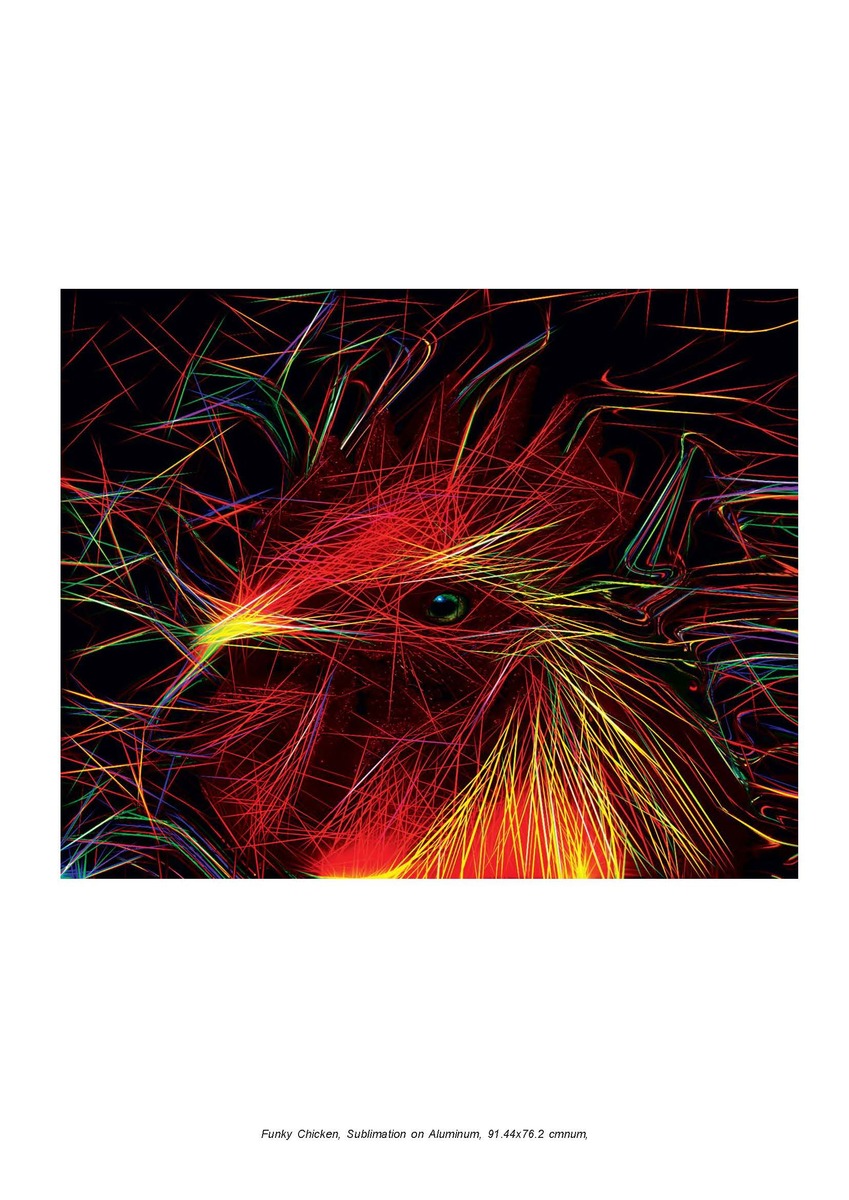
Choosing art is a personal experience. A photograph might remind you of a place you love, catch your eye with its colors, or make you see a familiar subject in a new way. When exploring collectible photography art for sale, look beyond the image itself. The artist’s ideas, the print materials, and the way the artwork is presented all shape the finished piece.
Howard Harris creates photographic art that brings together photography, design, technology, and visual perception. Understanding these elements can help you choose artwork that suits your taste, fits your space, and adds meaning to your collection.
What Makes Photography Art Worth Collecting?
Fine-art photography offers more than a picture of a moment. The artist’s choices in light, color, shape, and composition influence how the image feels and what viewers notice.
When exploring collectible photography art for sale, consider what draws you to a particular piece. You might enjoy its subject, its unusual composition, or the way it changes the mood of a room.
Here are three useful points to consider:
- Artistic style: Notice how the artist uses color, light, shapes, and visual details.
- Materials and presentation: Look at the print surface, framing, and any dimensional features.
- Personal connection: Choose an image you will enjoy seeing in your home or collection over time.
Collecting can begin with one artwork that feels right to you. You can then build your collection around related subjects, colors, or artistic styles.
Explore Howard Harris’s Approach to Contemporary Photography
Howard Harris combines photography, design, and technology to create work ranging from recognizable subjects to abstract images exploring color, form, and visual relationships.
His interest in Techspressionism explores how technology can express thoughts, emotions, and images. He holds a Bachelor of Fine Arts from the Kansas City Art Institute and a Master of Industrial Design from Pratt Institute.
His technical background also informs his dimensional artwork. In 2017, he received U.S. Patent No. 9,753,295 for Apparatus and Method of Manufacture for a Layered Artwork, reflecting his distinctive approach to photographic construction.
How to Choose Artwork That Fits Your Collection
Start with the subjects you enjoy. Abstract images highlight color and shape, while animal photography, cityscapes, and landscapes offer different visual interests.
When browsing collectible photography art for sale, consider:
- Does the image hold your attention?
- Do its colors suit your space?
- Do you prefer a flat or dimensional print?
- Do the size and materials fit your display plans?
Before buying, review the artwork’s title, image number, dimensions, and presentation. Check edition information for the specific piece if it matters to your choice.
Understand the Differences Between Print Formats
The print format affects how a photograph looks and how it is displayed. Howard Harris’s work includes aluminum photographic prints, selected dimensional artworks, and Giclée archival prints.
| Print format | What to know |
| Aluminum dye-sublimation print | The photographic image is transferred onto a coated aluminum surface. The non-overlay presentation uses a black aluminum frame attached to the back. |
| Dimensional aluminum artwork | Combines an aluminum image base with one printed acrylic overlay. Standoffs hold the acrylic above the base. |
| Giclée archival print | Uses archival-grade paper, a solid wood frame, a mounted board, and clear acrylic glazing. |
These formats create different viewing experiences. The printed acrylic in dimensional artwork contributes to the image’s construction. In a Giclée print, the clear acrylic serves as protective glazing.
When comparing collectible photography art for sale, review the format of each piece so you know what you are choosing.
How Layered Construction Changes the Viewing Experience
Selected dimensional works combine an aluminum photographic base with one printed acrylic overlay, held apart by standoffs. A metal frame at the back adds support.
The space between the surfaces creates visual depth, while light and viewing angles affect how the image appears. Some designs include a printed grid on the acrylic, such as 283 Midcentury Modern, while 269 Columbine Dance has no grid.
This construction adds a distinctive visual element for collectors to consider when choosing photographic art.
Explore Photography Across Subjects and Artistic Styles
A personal collection can reflect your interests and visual taste. Howard Harris’s collections include:
- Abstract work: Abstractions and Visions explore color, form, and visual relationships.
- Subjects and places: Animals, Cityscape, Landscape, People, Political, and Traditional offer varied themes.
Animal works include Hoo are You, The Kerm Eye, Squirrel Watch, Hawk Eye, Snake, and Fish Heads. New works include Ferrara & Florence and Paris & Giverny.
Explore different collections to find images that catch your attention and suit your taste.
Consider Size, Presentation, and Display Space
Size affects how artwork fits into a room. Larger pieces can become focal points, while smaller prints can complement other artwork.
Available sizes for selected pieces include 16 × 20, 24 × 36, 30 × 36, 30 × 40, 36 × 48, and 40 × 60 inches. Options vary by artwork.
Before choosing, consider:
- Wall space and nearby furniture.
- The artwork’s orientation and scale.
- Its weight and mounting system.
A 36 × 30-inch dimensional piece weighs around 20 to 25 pounds. A French cleat is recommended for stable mounting. Check the specific artwork’s requirements before preparing your wall.
Evaluate an Artwork Before You Buy
Before purchasing collectible photography art, review the artwork’s title or image number, dimensions, print format, and current price. If edition information matters to you, check it for the individual piece.
Consider where you plan to display the artwork. Strong, direct sunlight can affect photographic dyes over time, so choose the location carefully and follow the supplied care instructions.
Discover Collectible Photography Art for Sale at Howard Harris Photo
Explore the collections by subject, compare individual images, and review each artwork’s dimensions and presentation. Whether you are drawn to abstract forms, animal photography, city scenes, or dimensional construction, take time to find a piece that fits your interests.
If you have a particular artwork or project in mind, use the inquiry option to ask about that piece before proceeding with your purchase.
Bring a Distinctive Photographic Artwork Into Your Collection
The right photograph can give a room character and make your collection feel more personal. As you explore collectible photography art for sale, consider the image, the artist’s approach, and the materials together.
Choose a piece that captures your attention and gives you a reason to keep looking. That personal connection can make the artwork a valued part of your space for years to come.
Frequently Asked Questions
What should I consider when buying collectible photography art?
Look at the image, artistic style, materials, dimensions, and presentation. Check the individual artwork’s specifications and choose a piece that suits your taste and display space.
What types of photographic prints are available?
Options include dye-sublimation photographic prints on aluminum, selected dimensional aluminum artworks with a printed acrylic overlay, and Giclée archival prints on paper.
What makes dimensional photographic artwork different?
It combines an aluminum photographic base with one printed acrylic overlay held above it by standoffs. This creates separate visual planes within the artwork.
How can I choose the right artwork size?
Measure your available wall space, consider nearby furniture, and compare the artwork’s dimensions and orientation. Check the individual piece’s available sizes and mounting requirements.
