
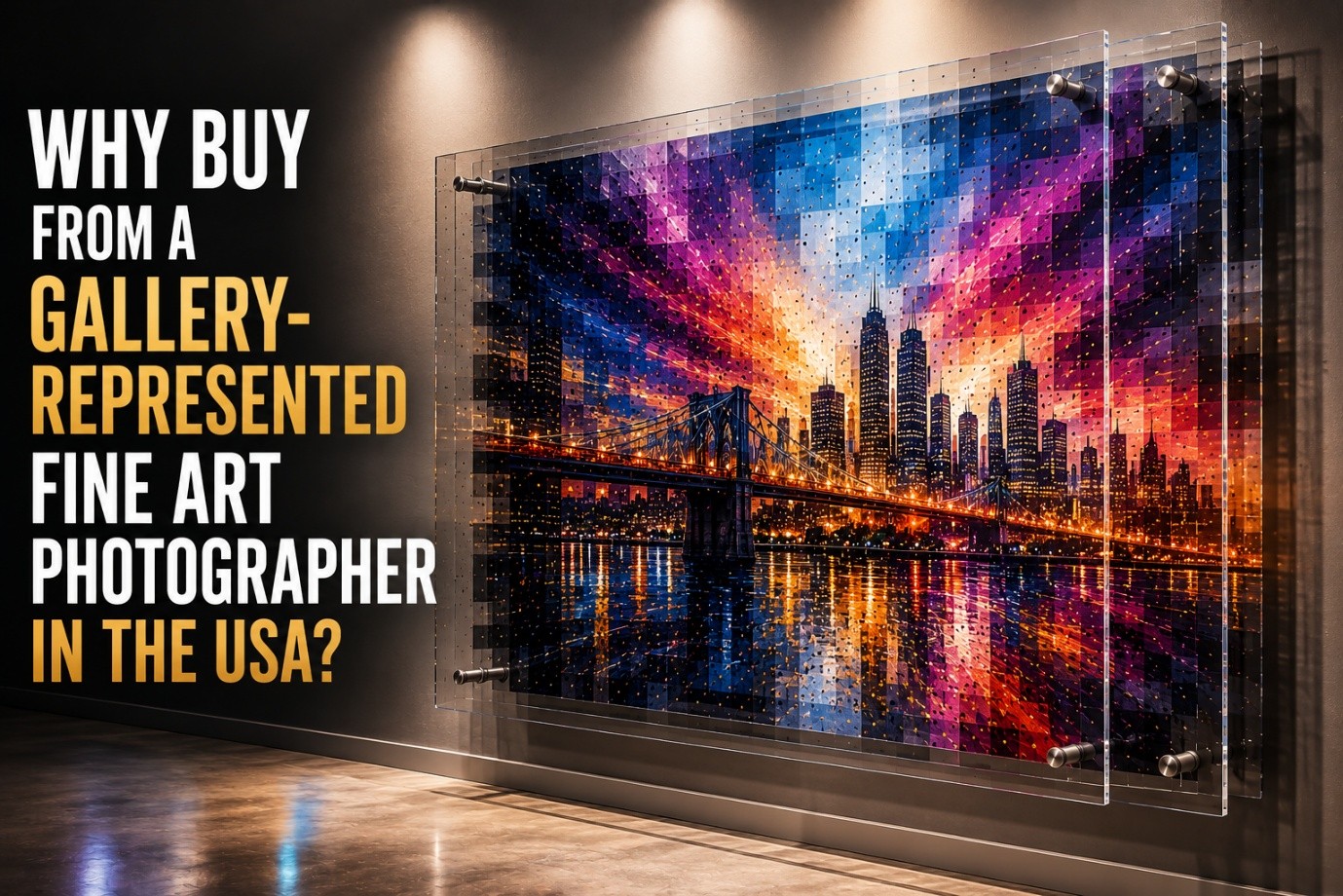
Art changes how a space feels. A single photograph can shift the mood of a room, bring calmness, or add strong character. When people look for meaningful wall art, they often search for quality and originality rather than mass-produced visuals. This is where a gallery-represented fine art photographer in the USA stands apart. The work is not random decoration. It is created with intention, style, and long-term artistic value in mind.
Instead of quick prints or stock images, these photographs come from a curated artistic process. Each piece is selected, refined, and presented as it belongs in a gallery space. That difference is what makes the experience more personal and lasting.
What Gallery Representation Really Means
Gallery representation is not just a label. It reflects a higher level of artistic trust and selection. It means the photographer’s work has been reviewed and accepted into a more curated art space rather than being sold casually.
When someone chooses a gallery-represented fine art photographer in the USA, they are choosing work that has gone through a thoughtful selection process. Not every image makes it into the final collection. Only the strongest visual stories are presented.
This process brings consistency in style and quality, which is something buyers often notice immediately when they view collections designed for wall spaces.
Quick FAQs
Why does gallery representation matter in photography?
Gallery representation matters because it signals that the artist’s work meets curated standards. The images are selected for artistic value, composition, and storytelling, not just casual display. This gives buyers more confidence in quality and long-term visual appeal when choosing artwork for homes or offices.
Is gallery photography different from regular photography prints?
Yes, it is different. Regular prints often focus on volume or general appeal. Gallery photography focuses on artistic expression, mood, and visual depth. Each piece is selected with intention, making it more suitable for collectors and interior design spaces rather than simple decoration.
The Role of Artistic Curation in Fine Art Photography
Curation is the heart of fine art photography. It decides what stays and what is removed. This process shapes the identity of the entire collection.
In gallery-based work, every photograph carries a purpose. Some express motion, others capture silence, while some focus on abstract forms. The goal is not quantity but visual impact.
This is one reason collectors prefer working with a gallery-represented fine art photographer in the USA. The consistency in storytelling creates a stronger connection between the viewer and the artwork.
Quick FAQs
How are photography collections selected for gallery display?
Collections are selected through a careful review of composition, tone, and emotional depth. The photographer studies each image and chooses only those that reflect a strong visual story. The selection process removes anything that feels repetitive or weak in impact, ensuring a focused and meaningful collection.
What makes curated photography better for interiors?
Curated photography fits interiors better because it follows a consistent visual style. This helps rooms feel balanced instead of cluttered. When images share a common artistic direction, they blend naturally with furniture, lighting, and design themes, creating a more refined atmosphere.
Print Quality and Artistic Standards
Fine art photography is not only about capturing an image. It is also about how that image is printed and presented. Print quality plays a huge role in how the final artwork feels on a wall.
High-grade materials, controlled color tones, and careful printing methods ensure that the original vision is preserved. Even small details like shadow depth or texture matter a lot in the final result.
A gallery-represented fine art photographer in the USA often works with professional print standards that match exhibition-level presentation. This ensures that the artwork looks consistent in both small and large formats.
The Importance of Originality in Fine Art Work
Originality is what separates fine art photography from mass-produced visuals. Each image carries a unique perspective, often shaped by real-world observation and artistic interpretation.
Instead of repeating common scenes, fine art photography focuses on perspective, light, and emotion. This makes each piece feel like a one-of-a-kind visual experience.
Buyers are not just purchasing an image. They are bringing home a creative viewpoint that cannot be replicated in the same way again.
Quick FAQs
Why is originality important in wall art photography?
Originality ensures that the artwork feels unique and meaningful. It prevents repetition and adds personality to a space. When an image is original, it reflects a real artistic vision, which creates a stronger emotional connection with viewers over time.
Can fine art photography increase the value of a space?
Yes, it can. Well-selected photography enhances interior design by adding depth and character. It creates focal points in rooms and can make spaces feel more thoughtful and complete. Designers often use art pieces to elevate the overall visual balance of interiors.
Fine Art Photography as an Investment in Space Design
Art is not only decoration. It is part of how a space communicates mood and identity. Choosing the right photography can change how a room feels without changing anything else.
Large wall pieces often become conversation points. They draw attention naturally and add personality to otherwise plain walls.
This is why many collectors and designers look for work created by a gallery-represented fine art photographer in the USA, because they want pieces that hold long-term aesthetic value.
Trust Built Through Artistic Background
Trust in art comes from consistency and experience. When a photographer has a strong background in design and visual thinking, it reflects in every image produced.
Years of practice in composition, lighting, and creative direction contribute to a strong visual identity. This is not accidental work. It is shaped through discipline and artistic exploration.
Collectors value this because it ensures that every piece carries intention and professional depth.
How Buyers Experience Ownership
Owning fine art photography is different from buying regular decor. It feels more personal. Each piece has a story behind it, even if it is not directly explained.
Buyers often choose images that match their emotions or the mood they want in their space. Some prefer calm landscapes, while others enjoy bold abstract visuals.
A gallery-represented fine art photographer in the USA usually offers collections that support this emotional connection, giving buyers more meaningful choices.
Bringing Art Into Everyday Spaces
Fine art photography is not limited to galleries or exhibitions. It belongs in everyday environments like homes, offices, and studios.
A single image can change how a space feels when placed correctly. Light, wall size, and room color all play a role in how the artwork is experienced.
When chosen thoughtfully, photography becomes part of daily life, not just something hanging on a wall.
Add Depth and Character to Your Interiors
Choosing the right artwork is about connection, not just appearance. When selecting from a gallery-represented fine art photographer in the USA, the focus should always be on emotional impact and long-term visual value.
Explore the curated collections at Howard Harris Photography, where each piece is created with artistic direction and refined visual storytelling. The work is designed to bring depth, character, and meaning into modern spaces through carefully composed fine art photography.